Recycling and Sustainability for Landscaping Ruislip
 Landscaping Ruislip places sustainability at the centre of every outdoor project, from garden clearances and turf replacement to planting schemes and hard landscaping. A responsible landscaping Ruislip service should do more than improve appearance; it should reduce waste, conserve resources, and support the local circular economy. Our aim is to achieve a minimum 90% recycling and recovery rate across suitable green waste and reusable site materials, with careful sorting so that timber, soil, stone, metal, cardboard, and organic matter are kept out of landfill whenever possible.
Across the wider west London area, boroughs increasingly expect waste to be separated into clear streams, and that approach influences how landscapers in Ruislip manage every job. Soil can often be screened and reused, concrete and paving can be separated for recovery, and green cuttings can be sent for composting or biomass processing. This practical focus helps reduce transport miles, lowers disposal costs, and keeps local projects aligned with modern environmental standards.
We also work with local transfer stations to handle materials that cannot be reused on-site. By using nearby facilities for responsible sorting and consolidation, Ruislip landscaping waste is processed efficiently and with less unnecessary travel. This includes managing mixed construction debris from patio works, broken bricks, and old edging materials, while ensuring recyclable fractions are diverted into approved recovery routes.
 Partnerships with charities are another important part of our sustainability approach. Items in good condition, such as planters, tools, sleepers, decorative stone, and usable timber offcuts, may be directed to community groups or charitable reuse organisations where appropriate. This gives surplus materials a second life and supports local initiatives that benefit schools, neighbourhood gardens, and community-led green spaces. For eco-friendly landscaping in Ruislip, reuse is always preferred before recycling, and recycling is always preferred before disposal.
Our low-carbon vans help reduce the environmental impact of site visits and collections. These vehicles are chosen for improved fuel efficiency, reduced emissions, and reliable load capacity, which makes them well suited to the varied work of garden and grounds projects. Whether carrying compost, paving remnants, or pruning waste, low-emission transport supports a cleaner service model and complements the borough’s wider ambitions for better air quality and reduced congestion.
We also plan journeys carefully so that collections are grouped where possible and unnecessary mileage is avoided. That means fewer trips to transfer stations, fewer empty return journeys, and a more efficient route between domestic gardens, commercial sites, and disposal points. In a busy area where traffic can be unpredictable, this approach helps keep landscaping services in Ruislip both practical and environmentally conscious.
 Green waste forms a major part of responsible landscaping activity, especially after hedge reductions, lawn renovations, tree pruning, and seasonal clearances. Organic waste is separated from inert materials so it can be directed to composting or soil-conditioning processes. Where possible, branches are chipped for mulch, grass cuttings are kept uncontaminated, and leaf matter is collected separately to support a cleaner recycling stream. This is particularly valuable in a borough setting where household and commercial waste separation rules encourage better sorting from the outset.
For larger projects, we assess whether excavated soil can be reused elsewhere on the same property or screened for safe redistribution. Clean subsoil, topsoil, and stone can often be retained for landscaping features rather than being treated as waste. Likewise, old paving slabs, bricks, and hardcore are checked for reuse or sent to approved facilities where they can be processed into aggregate. This careful handling helps make sustainable landscaping Ruislip a realistic and measurable goal rather than a vague promise.
We also consider packaging and ancillary waste. Sacks, protective wrap, cardboard, and pallets are separated where the material condition allows, supporting the wider borough approach to recycling and waste minimisation. In this way, every project is managed with an understanding that sustainability is not limited to the obvious green waste; it includes the smaller decisions that reduce contamination and improve overall recovery rates.
Recycling in landscaping is most effective when it is built into the work process from the start. That means planning skips or collection loads by material type, protecting reusable items from damage, and keeping clean materials distinct from mixed waste. It also means recognising the role of local infrastructure, such as transfer stations and specialist recyclers, in helping turn collected material into something useful again. For homeowners and businesses seeking landscape recycling in Ruislip, this systems-based approach delivers better environmental results.
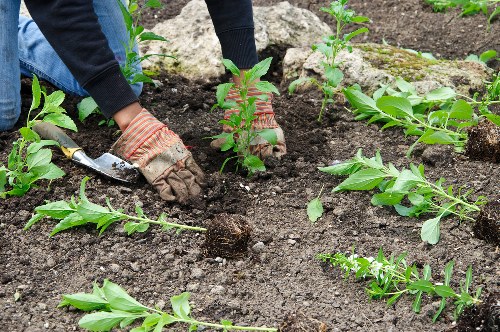 We are committed to continuous improvement and regularly review our recycling performance to ensure the 90% target remains realistic and ambitious. When weather, site conditions, or material contamination affect recovery rates, we look for better sorting methods and improved collection planning. The goal is always the same: less landfill, more reuse, and a lower-carbon footprint across every phase of the job.
Local sustainability also includes thoughtful planting and material choices. Using durable, locally suitable plants can reduce replacement needs, while selecting reclaimed stone or recycled aggregates can lower demand for newly quarried materials. These choices matter in Ruislip and surrounding boroughs, where green spaces are valued and where a more resource-conscious approach helps protect the character of gardens, driveways, and communal landscapes.
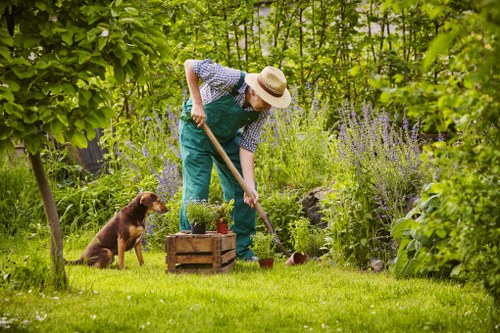 In practice, recycling and sustainability are part of the identity of modern landscaping Ruislip. From coordinating with transfer stations and charitable reuse partners to using low-carbon vans and separating waste into clear recycling streams, each step supports a cleaner and more responsible service. By keeping materials in use for longer and reducing unnecessary disposal, we help create outdoor spaces that look good and perform well while respecting the environment.
That commitment extends to every type of project, including tidy-ups, redesigns, planting schemes, and hard landscaping work. Whether the task involves green waste, old paving, surplus soil, or reusable timber, the focus remains on recovery first. For clients who want Ruislip landscaping with a genuinely sustainable outlook, this approach offers both practical benefits and a clear environmental advantage.